

The Advantages of Using a 1250mm Filter Press in Various Industries
Jul 14,2026


The Advantages of Using a 1250mm Filter Press in Various Industries
Table of Contents
1. Introduction to Filter Presses
2. What is a 1250mm Filter Press?
3. Working Principle of a Filter Press
4. Advantages of the 1250mm Filter Press
4.1 High Efficiency in Filtration
4.2 Cost-Effectiveness
4.3 Versatility Across Industries
4.4 Environmental Benefits
The Advantages of Using a 1250mm Filter Press in Various Industries
Table of Contents
- 1. Introduction to Filter Presses
- 2. What is a 1250mm Filter Press?
- 3. Working Principle of a Filter Press
- 4. Advantages of the 1250mm Filter Press
- 4.1 High Efficiency in Filtration
- 4.2 Cost-Effectiveness
- 4.3 Versatility Across Industries
- 4.4 Environmental Benefits
- 5. Applications of the 1250mm Filter Press
- 5.1 Mining Industry
- 5.2 Food and Beverage Industry
- 5.3 Pharmaceutical Industry
- 5.4 Chemical Industry
- 6. Maintenance and Reliability of Filter Presses
- 7. Frequently Asked Questions
- 8. Conclusion
1. Introduction to Filter Presses
In the realm of industrial filtration processes, **filter presses** play a pivotal role. These robust machines are designed to separate solids from liquids, making them invaluable in a multitude of applications. Among the various sizes available, the **1250mm filter press** stands out due to its balance of efficiency, size, and versatility. This article delves into the myriad advantages of using a 1250mm filter press across different sectors, providing insights into how it enhances operational efficiency and reduces costs.
2. What is a 1250mm Filter Press?
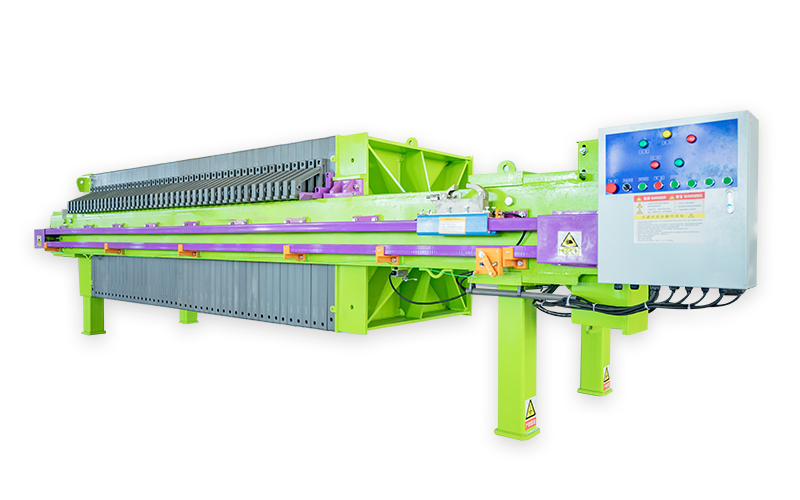
A **1250mm filter press** is a mechanical device designed for the separation of solids from liquids using pressure filtration. The 1250mm designation refers to the size of the filter plates used within the press, with a diameter of 1250mm. This size allows for significant filtration capacity, making it suitable for various industrial applications.
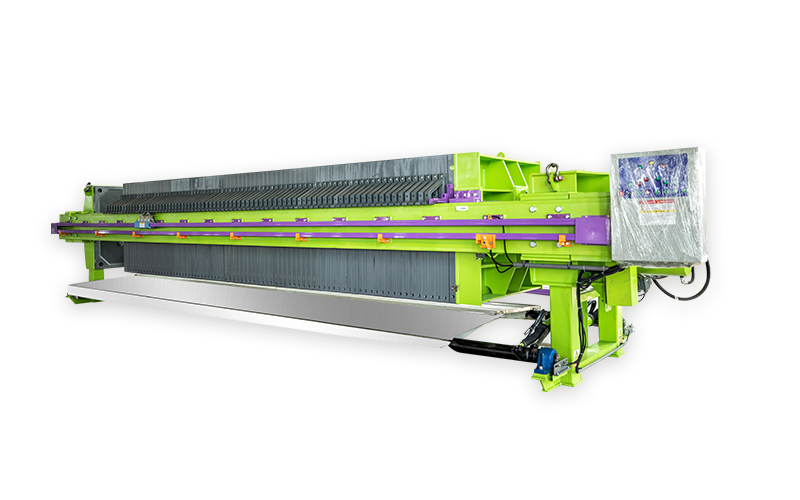
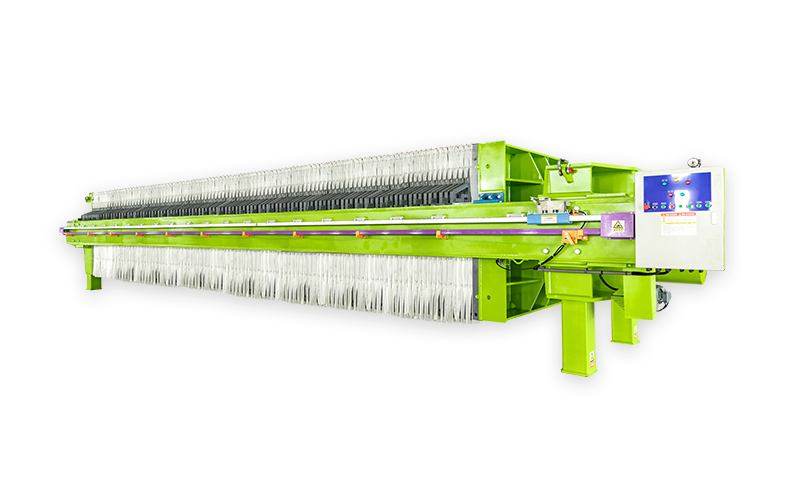
Typically constructed from durable materials such as stainless steel, these filter presses are designed to withstand high pressures and aggressive chemicals, ensuring longevity and reliability. The filter press consists of several components, including the frame, filter plates, and hydraulic system, which work together to facilitate the filtration process.
3. Working Principle of a Filter Press
The operation of a 1250mm filter press begins with the introduction of a liquid-solid mixture into the machine. This mixture is pumped into the filter press chamber, where the **filter plates** are arranged. The pressure applied by the hydraulic system causes the liquid to pass through the filter media, leaving the solids trapped on the plates.
As the process continues, the solids build up, creating a filter cake that further enhances the filtration process. Once sufficient cake formation occurs, the press can be opened, and the filter cake can be discharged. This cycle can be repeated, ensuring continuous operation and efficiency.
4. Advantages of the 1250mm Filter Press
Utilizing a 1250mm filter press in industrial applications offers several significant advantages:
4.1 High Efficiency in Filtration
One of the primary benefits of the 1250mm filter press is its **high filtration efficiency**. The design of the filter plates allows for a large surface area, which maximizes the volume of liquid processed. This means that industries can achieve higher throughput in less time, significantly enhancing productivity.
4.2 Cost-Effectiveness
In addition to efficiency, a 1250mm filter press is a **cost-effective solution** for various industries. By achieving higher filtration rates and reducing waste, companies can lower operational costs. Furthermore, the long lifespan of the equipment means that maintenance and replacement costs are minimized, offering excellent return on investment.
4.3 Versatility Across Industries
The versatility of the 1250mm filter press makes it suitable for a wide range of industries. Whether in **mining**, **food and beverage**, **pharmaceutical**, or **chemical** sectors, the filter press can be tailored to meet specific filtration needs, adapting to different materials and operational requirements.
4.4 Environmental Benefits
Using a 1250mm filter press not only enhances efficiency but also contributes to **environmental sustainability**. By effectively separating solids from liquids, industries can better manage waste and reduce their environmental footprint. The ability to recycle water and reprocess materials further underscores the ecological advantages of this equipment.
5. Applications of the 1250mm Filter Press
The applications of the 1250mm filter press are diverse, catering to various industries. Understanding these applications helps businesses evaluate how this technology can streamline their operations.
5.1 Mining Industry
In the mining industry, a 1250mm filter press is essential for dewatering slurries and tailings. The ability to efficiently separate water from solids helps in reducing the environmental impact of mining operations. Furthermore, it allows for the recovery of valuable minerals while minimizing waste.
5.2 Food and Beverage Industry
The food and beverage sector relies on a 1250mm filter press for various processes, including the clarification of juices and the separation of solids from liquids in brewing. This equipment ensures that end products meet stringent quality standards while maintaining efficiency in production.
5.3 Pharmaceutical Industry
In pharmaceuticals, the need for high-purity filtration is critical. A 1250mm filter press provides the necessary filtration to ensure that drugs and other products are free from contaminants. This reliability is crucial for compliance with regulatory standards in the industry.
5.4 Chemical Industry
The chemical industry benefits from the 1250mm filter press in multiple applications, including the separation of pigments and dyes from chemical mixtures. The equipment's robustness and ability to handle aggressive chemicals make it ideal for this sector.
6. Maintenance and Reliability of Filter Presses
To ensure optimal performance and longevity, regular maintenance of a 1250mm filter press is necessary. Proper care includes routine inspections, cleaning of filter plates, and timely replacement of worn parts. By adhering to a maintenance schedule, businesses can enhance the reliability of their filter press and prevent unexpected downtime, ensuring consistent productivity.
7. Frequently Asked Questions
**Q1: What industries commonly use a 1250mm filter press?**
A: The 1250mm filter press is commonly used in industries such as mining, food and beverage, pharmaceuticals, and chemicals.
**Q2: What maintenance is required for a 1250mm filter press?**
A: Regular maintenance includes inspecting the hydraulic system, cleaning filter plates, and replacing any worn components to ensure optimal operation.
**Q3: How does a 1250mm filter press improve efficiency?**
A: Its large surface area and high-pressure filtration capabilities allow for faster processing times and better separation of solids from liquids.
**Q4: Are there environmental benefits to using a 1250mm filter press?**
A: Yes, it helps reduce waste, enables recycling of water, and minimizes the environmental impact of industrial processes.
**Q5: Can a 1250mm filter press handle aggressive chemicals?**
A: Yes, it is designed to withstand harsh chemicals, making it suitable for various industrial applications.
8. Conclusion
The **1250mm filter press** stands as a vital asset in various industries, offering unmatched efficiency, cost-effectiveness, and environmental benefits. Its versatility allows it to cater to diverse applications, from mining to pharmaceuticals. By investing in a 1250mm filter press, businesses can enhance their filtration processes, reduce operational costs, and contribute positively to environmental sustainability. As industries continue to embrace advanced filtration technologies, the 1250mm filter press remains at the forefront, driving innovation and efficiency.
Previous:
We sincerely look forward to cooperating with you!
Customized Filtration System Overall Solution
Contact Us
Contact Information
Nan Development Zone, Jingxian County, Hengshui City, Hebei Province
Online Consultation
If you are interested in our products, please leave your email address, and we will contact you as soon as possible. Thank you!