

Understanding the Mechanics of a 2000mm Filter Press: A Complete Guide
Jul 10,2026


Understanding the Mechanics of a 2000mm Filter Press: A Complete Guide
Table of Contents
1. Introduction to Filter Press Technology
2. What is a 2000mm Filter Press?
3. Key Components of a 2000mm Filter Press
3.1 Frame and Structure
3.2 Filtration Plates
3.3 Hydraulic System
3.4 Cake Discharge System
4. The Filtration Process Explained
4.1 Pre-treatment Stage
4.2 Filtration Sta
Understanding the Mechanics of a 2000mm Filter Press: A Complete Guide
Table of Contents
1. Introduction to Filter Press Technology
2. What is a 2000mm Filter Press?
3. Key Components of a 2000mm Filter Press
3.1 Frame and Structure
3.2 Filtration Plates
3.3 Hydraulic System
3.4 Cake Discharge System
4. The Filtration Process Explained
4.1 Pre-treatment Stage
4.2 Filtration Stage
4.3 Cake Formation Stage
4.4 Cake Discharge and Cleaning
5. Applications of a 2000mm Filter Press in Various Industries
6. Maintenance Best Practices for Longevity
6.1 Routine Inspections
6.2 Troubleshooting Common Issues
6.3 Replacement of Worn Parts
7. Comparing 2000mm Filter Presses to Other Filtration Equipment
8. FAQs About 2000mm Filter Presses
9. Conclusion
1. Introduction to Filter Press Technology
Filter presses have become indispensable in industrial processes, particularly in sectors requiring efficient separation of solids and liquids. Their ability to produce a dry cake with minimum moisture makes them a preferred choice for many industries. This guide will delve into the mechanics of a 2000mm filter press, exploring its components, operation, and best practices for maximizing its efficiency.
2. What is a 2000mm Filter Press?
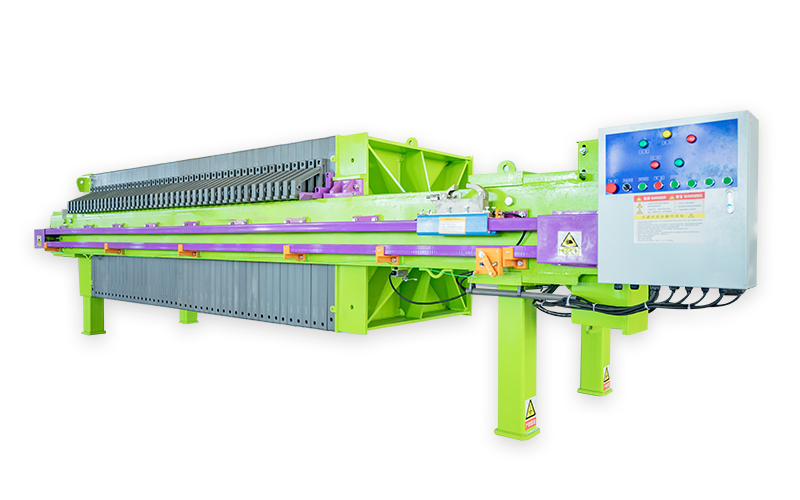
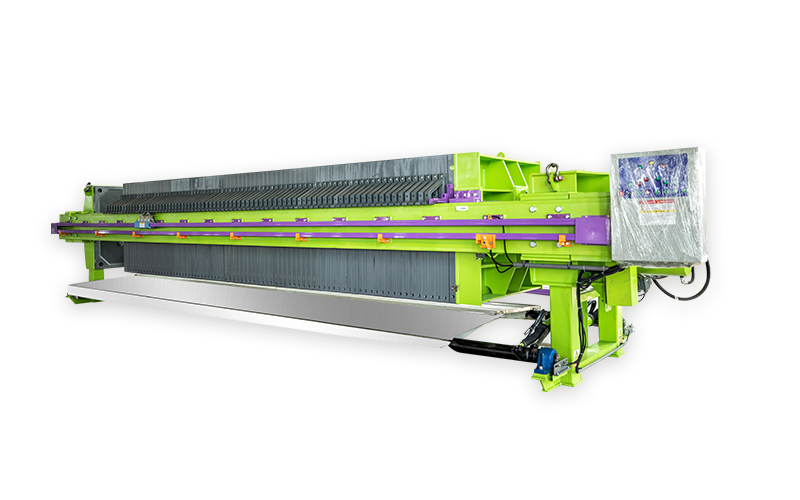
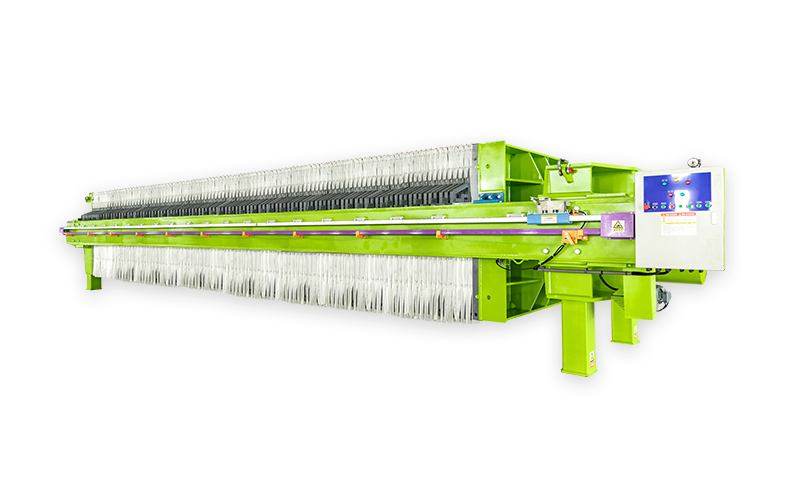
A **2000mm filter press** is a type of industrial filtration equipment designed to separate liquids from solids in slurries. The "2000mm" refers to the width of the filter plates used in the press, allowing for larger volumes of material to be processed simultaneously. These machines are widely used in various industries, including mining, food processing, and wastewater treatment, due to their high efficiency and reliability.
3. Key Components of a 2000mm Filter Press
Understanding the components of a 2000mm filter press is crucial for grasping its functionality. Each part plays a specific role in the filtration process.
3.1 Frame and Structure
The **frame** of a filter press provides the necessary support for the entire system. Typically constructed of high-strength steel, it ensures durability and stability under pressure during operation. The frame houses the filter plates and controls the compactness during the filtration process.
3.2 Filtration Plates
Filtration plates are the heart of the filter press. In a 2000mm filter press, these plates are arranged in a series, forming chambers for slurry input. The plates are often made from polypropylene or other corrosion-resistant materials to withstand various chemical environments. Their design allows for easy cake removal after filtration.
3.3 Hydraulic System
The **hydraulic system** operates the pressing mechanism of the filter press. It controls the opening and closing of the plates, ensuring an efficient filtration process. This component is critical for maintaining the necessary pressure during operation, which directly impacts filtration efficiency.
3.4 Cake Discharge System
Once the filtration process is complete, the cake discharge system facilitates the removal of the solid cake formed during filtration. This system can be manual or automated, depending on the model of the filter press, contributing to operational efficiency.
4. The Filtration Process Explained
The filtration process in a 2000mm filter press can be broken down into several key stages:
4.1 Pre-treatment Stage
Before the actual filtration begins, the slurry is often pre-treated to enhance separation efficiency. This may involve chemical additives or mechanical agitation to facilitate better solid-liquid separation.
4.2 Filtration Stage
During the filtration stage, the slurry is pumped into the filter press, where it is held under pressure. Liquid passes through the filter plates, leaving behind the solid particles that accumulate to form a cake.
4.3 Cake Formation Stage
As the filtration continues, the solid cake builds up, creating a barrier that further aids in liquid separation. The hydraulic pressure ensures that the cake is compact and dry, maximizing the efficiency of the filtration process.
4.4 Cake Discharge and Cleaning
Once the desired cake thickness is reached, the hydraulic system disengages the plates, allowing for the cake to be discharged. Cleaning of the plates follows to prepare for the next batch, ensuring minimal contamination and maximum efficiency.
5. Applications of a 2000mm Filter Press in Various Industries
The versatility of the **2000mm filter press** makes it suitable for a range of applications:
- **Mining and Mineral Processing**: Used for dewatering concentrates and tailings.
- **Food and Beverage Industry**: Employed in juice extraction, wine production, and oil recovery.
- **Wastewater Treatment**: Essential for separating solids from wastewater, producing cleaner effluent.
- **Chemical Manufacturing**: Utilized for separating solid by-products from chemical processes.
6. Maintenance Best Practices for Longevity
To ensure that a 2000mm filter press operates effectively over time, regular maintenance is essential. Here are some best practices:
6.1 Routine Inspections
Regular inspections of the hydraulic system, plates, and other components can help detect issues early. Look for signs of wear, leaks, or damage that may compromise performance.
6.2 Troubleshooting Common Issues
Common problems may include poor filtration efficiency, slow cake discharge, or hydraulic leaks. Identifying these issues quickly and addressing them can prevent costly downtime.
6.3 Replacement of Worn Parts
Components such as filter plates and hydraulic seals may wear over time. Keeping a stock of spare parts and replacing them as needed can enhance the longevity and reliability of the filter press.
7. Comparing 2000mm Filter Presses to Other Filtration Equipment
While 2000mm filter presses are highly effective, it’s essential to understand how they compare to other filtration methods:
- **Belt Filters**: Offer continuous operation but may have lower filtration efficiency and require more maintenance.
- **Centrifuges**: Provide rapid solid-liquid separation but can be more expensive and have higher energy costs.
- **Decanter Filters**: Effective for certain applications, but they may not produce as dry a cake as a filter press.
Each type has its pros and cons, and the best choice often depends on the specific application requirements.
8. FAQs About 2000mm Filter Presses
**1. What is the typical cycle time for a 2000mm filter press?**
Cycle times can vary, but generally, a complete filtration cycle takes between 30 minutes to several hours, depending on the material being processed.
**2. How do you determine the right size of a filter press for your application?**
The size depends on the volume of slurry to be processed, the desired cake thickness, and the specific application requirements.
**3. What are the main factors affecting filter press performance?**
Key factors include slurry composition, operating pressure, and the condition of the filter plates.
**4. Can a 2000mm filter press handle varying slurry compositions?**
Yes, these presses can be designed to handle a range of compositions, but pre-treatment may be necessary for highly viscous or difficult slurries.
**5. How often should maintenance be performed on a filter press?**
Regular maintenance should be conducted as per the manufacturer's guidelines, typically involving monthly inspections and annual servicing.
9. Conclusion
A **2000mm filter press** stands as a versatile and efficient solution for solid-liquid separation across various industries. By understanding its mechanics, components, and applications, users can optimize their filtration processes, ensuring they achieve maximum efficiency and longevity from their equipment. Proper maintenance practices further enhance the reliability of these machines, making them an invaluable asset in industrial operations. Whether you're an engineer, operator, or decision-maker, a thorough grasp of filter press technology is essential for success in today’s demanding industrial landscape.
Previous:
We sincerely look forward to cooperating with you!
Customized Filtration System Overall Solution
Contact Us
Contact Information
Nan Development Zone, Jingxian County, Hengshui City, Hebei Province
Online Consultation
If you are interested in our products, please leave your email address, and we will contact you as soon as possible. Thank you!