

Optimizing Your Filtration System with a 1250mm Filter Press: A Comprehensive Guide
Jul 04,2026


Optimizing Your Filtration System with a 1250mm Filter Press
Table of Contents
1. Introduction to Filtration Systems
2. Understanding Filter Presses
3. Why Choose a 1250mm Filter Press?
4. Key Components of a 1250mm Filter Press
5. Operational Principles of a 1250mm Filter Press
6. Benefits of Using a 1250mm Filter Press
7. Maintenance Tips for Optimal
Optimizing Your Filtration System with a 1250mm Filter Press
Table of Contents
- 1. Introduction to Filtration Systems
- 2. Understanding Filter Presses
- 3. Why Choose a 1250mm Filter Press?
- 4. Key Components of a 1250mm Filter Press
- 5. Operational Principles of a 1250mm Filter Press
- 6. Benefits of Using a 1250mm Filter Press
- 7. Maintenance Tips for Optimal Performance
- 8. Common Issues and Troubleshooting
- 9. Conclusion
- 10. FAQs
1. Introduction to Filtration Systems
Filtration systems play a crucial role in various industrial processes by separating solids from liquids, ensuring product purity, and optimizing process efficiency. Among these systems, the filter press stands out due to its ability to handle large volumes of slurry and produce high-quality filtrate. In this article, we will focus on the 1250mm filter press, exploring its advantages, operational principles, and maintenance for optimal performance.
2. Understanding Filter Presses
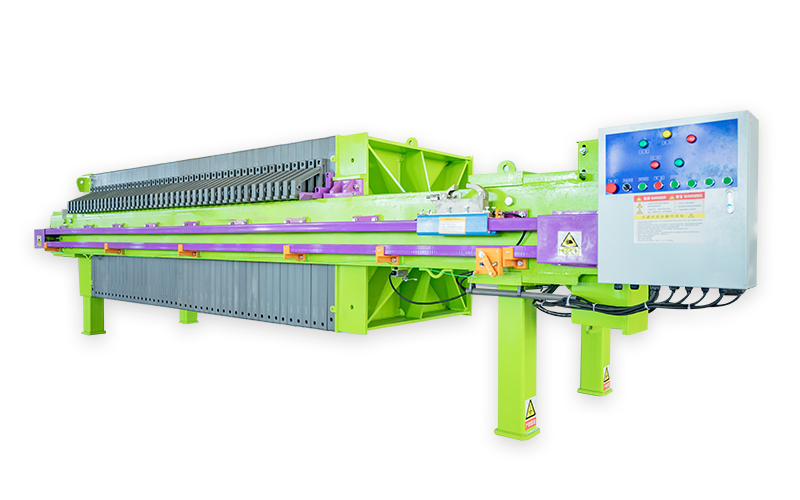
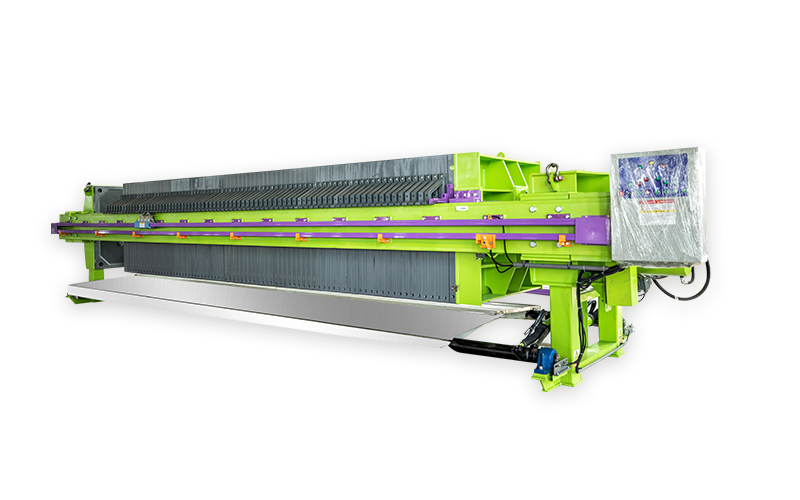
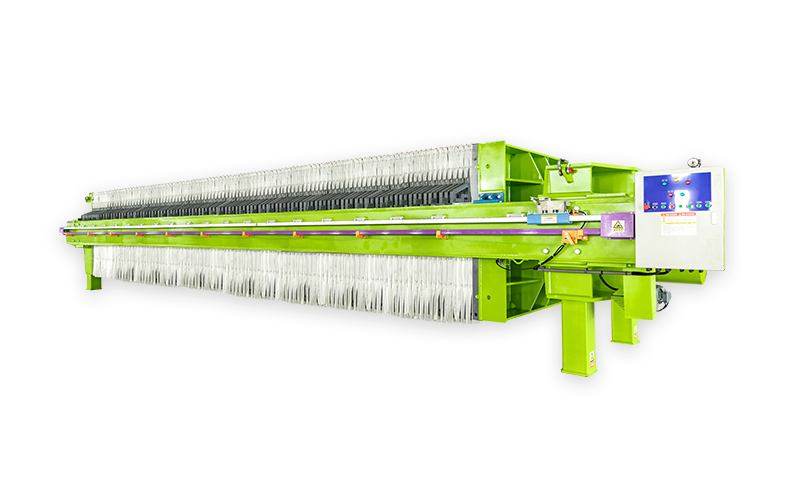
A filter press consists of a series of frames and plates that hold filter cloths. The slurry enters the press, where pressure is applied to separate solid particles from the liquid phase. This method is widely used in various industries, including mining, chemical, and food processing. The 1250mm filter press is popular due to its balance of size and efficiency, making it suitable for diverse applications.
3. Why Choose a 1250mm Filter Press?
Choosing the right filter press involves considering several factors such as size, capacity, and application. The **1250mm filter press** offers several advantages:
3.1 Capacity and Efficiency
With a filtration area of 1250mm, this filter press can handle significant volumes of slurry, making it ideal for medium to large-scale operations. Its efficiency ensures that separation occurs rapidly, reducing process time and increasing productivity.
3.2 Versatility
The 1250mm filter press can be configured for various applications, including wastewater treatment, mineral processing, and food and beverage filtration. This versatility makes it an excellent investment for businesses looking to optimize their filtration processes.
3.3 Cost-Effectiveness
Investing in a 1250mm filter press can lead to long-term savings. Its efficient operation reduces energy costs, while its durable construction minimizes maintenance and replacement expenses.
4. Key Components of a 1250mm Filter Press
Understanding the components of a 1250mm filter press is essential for optimizing its use. Here are the key parts:
4.1 Filter Plates
The filter plates are the heart of the filter press. They are designed to hold the filter cloth and facilitate the separation of solids from liquids. For the 1250mm model, plates are typically made from durable materials like polypropylene or cast iron.
4.2 Filter Cloths
Filter cloths are essential for ensuring effective filtration. They are designed to retain solids while allowing liquid to pass through. Choosing the right cloth material and mesh size is critical for achieving optimal results.
4.3 Hydraulic System
The hydraulic system applies pressure to the filter plates, forcing the slurry through the filter cloth. A reliable hydraulic system is crucial for maintaining consistent pressure and efficient operation.
4.4 Cake Discharge System
Once filtration is complete, the solid cake must be removed efficiently. The cake discharge system helps automate this process, minimizing downtime and manual labor.
5. Operational Principles of a 1250mm Filter Press
The operation of a 1250mm filter press primarily involves three stages: filling, filtration, and cake discharge.
5.1 Filling Stage
During the filling stage, the slurry is pumped into the filter press. The hydraulic system maintains pressure to ensure complete filling of the filter chambers.
5.2 Filtration Stage
In the filtration stage, pressure forces the liquid through the filter cloth, leaving behind the solid particles. The separation efficiency depends on factors such as pressure, filter cloth type, and slurry properties.
5.3 Cake Discharge Stage
After filtration, the solid cake is removed from the filter press. This can be done manually or automatically, depending on the design of the cake discharge system.
6. Benefits of Using a 1250mm Filter Press
Implementing a 1250mm filter press in your filtration system can lead to numerous benefits:
6.1 High Filtration Efficiency
The design of the 1250mm filter press allows for high filtration rates, ensuring that your processes run smoothly and efficiently.
6.2 Enhanced Product Quality
By effectively separating solids from liquids, a 1250mm filter press contributes to improved product quality, which is essential in industries such as food processing and pharmaceuticals.
6.3 Environmental Compliance
Utilizing a filter press can help your organization meet environmental regulations by minimizing waste and ensuring proper disposal of solid by-products.
7. Maintenance Tips for Optimal Performance
To ensure the longevity and efficiency of your 1250mm filter press, regular maintenance is essential. Here are some practical tips:
7.1 Regular Inspection
Conduct routine inspections of all components, including filter plates, cloths, and the hydraulic system. Look for signs of wear and tear to address issues before they escalate.
7.2 Cleaning Procedures
Establish a cleaning schedule to remove residual solids from the filter plates and cloths. This helps maintain effective filtration and prolongs the life of the components.
7.3 Lubrication of Moving Parts
Ensure that all moving parts, particularly within the hydraulic system, are adequately lubricated to prevent friction and wear.
8. Common Issues and Troubleshooting
Even with regular maintenance, issues may arise. Here are some common problems and troubleshooting tips:
8.1 Low Filtration Rate
If you're experiencing a low filtration rate, check the filter cloth for clogs, ensure that the hydraulic pressure is sufficient, and verify that the slurry properties are within optimal ranges.
8.2 Cake Not Discharging Properly
If the solid cake is not discharging efficiently, examine the cake discharge system for blockages and ensure that the hydraulic pressure is adequate.
8.3 Damage to Filter Plates
If filter plates are damaged, inspect for signs of wear and replace them as necessary to maintain filtration efficiency.
9. Conclusion
Optimizing your filtration system with a **1250mm filter press** provides significant advantages in terms of efficiency, product quality, and environmental compliance. By understanding the operational principles, key components, and maintenance requirements, organizations can leverage this technology to enhance their industrial processes. Investing in a quality filter press and implementing best practices will lead to improved operational performance and long-term savings.
10. FAQs
10.1 What industries commonly use 1250mm filter presses?
Industries such as mining, chemical processing, food and beverage, and wastewater treatment frequently utilize 1250mm filter presses for their effective solid-liquid separation capabilities.
10.2 How often should maintenance be performed on a filter press?
Regular maintenance should be performed at least once a month, with more frequent inspections during heavy usage periods to ensure optimal performance.
10.3 Can a 1250mm filter press handle varying slurry types?
Yes, a 1250mm filter press is versatile and can handle different slurry types, provided that the correct filter cloths and operating conditions are used.
10.4 What are the energy requirements for operating a 1250mm filter press?
Energy requirements vary based on the hydraulic pressure, size of the operation, and specific design, but these systems are generally energy-efficient.
10.5 How do I choose the right filter cloth for my application?
Selecting the appropriate filter cloth involves considering the type of slurry, desired filtration rate, and the size of the solid particles. Consulting with a filtration expert can also provide valuable insights.
By implementing the guidance provided in this article, businesses can maximize the performance of their **1250mm filter press**, leading to enhanced productivity and efficiency in their industrial processes.
Previous:
We sincerely look forward to cooperating with you!
Customized Filtration System Overall Solution
Contact Us
Contact Information
Nan Development Zone, Jingxian County, Hengshui City, Hebei Province
Online Consultation
If you are interested in our products, please leave your email address, and we will contact you as soon as possible. Thank you!