

Understanding the Mechanism of an 800mm Filter Press: A Comprehensive Guide
Jul 02,2026


Understanding the Mechanism of an 800mm Filter Press
Introduction to Filter Press Technology
In the realm of industrial filtration, the **800mm filter press** stands out as a crucial device widely used across various sectors. This equipment is essential for separating solids from liquids in a range of applications including wastewater treatment, food processing, and mineral processing. Understandi
Understanding the Mechanism of an 800mm Filter Press
Introduction to Filter Press Technology
In the realm of industrial filtration, the **800mm filter press** stands out as a crucial device widely used across various sectors. This equipment is essential for separating solids from liquids in a range of applications including wastewater treatment, food processing, and mineral processing. Understanding its mechanism not only aids in optimal operation but also ensures efficiency, reliability, and longevity.
What is a Filter Press?
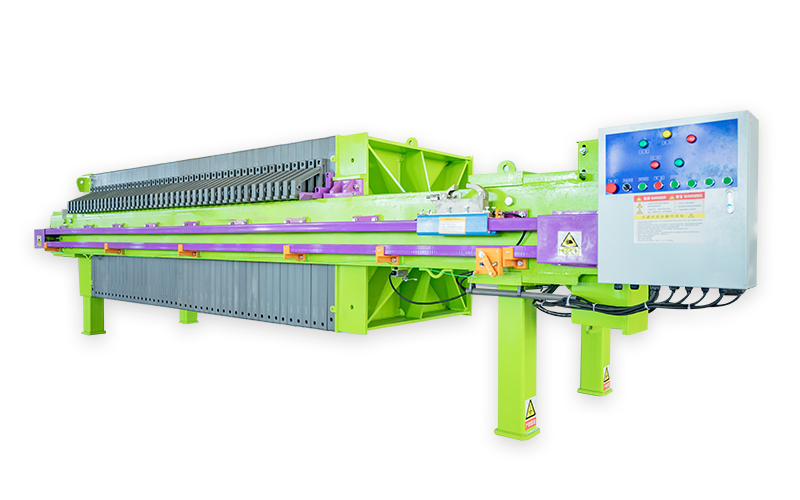
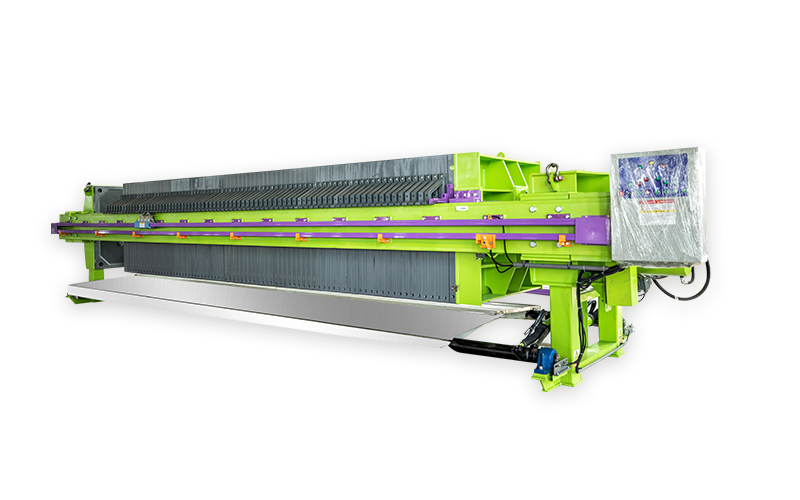
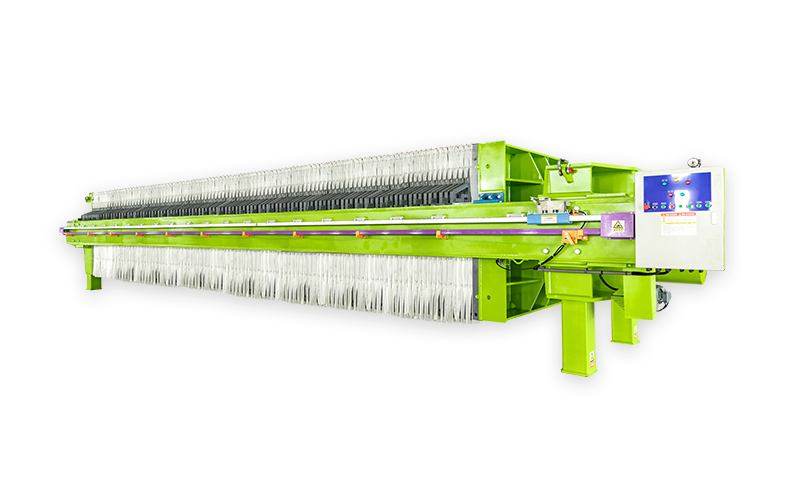
A **filter press** is a type of mechanical device designed to separate solids from liquids. It operates on the principle of pressure filtration, where a slurry is pumped into the press, and liquid is squeezed out, leaving behind a solid cake. The 800mm filter press is characterized by its plate size, making it suitable for medium to large-scale operations.
Key Components of an 800mm Filter Press
To fully grasp the workings of an 800mm filter press, it’s essential to understand its main components:
1. Filter Plates
The heart of the filter press, the **filter plates** are typically made of durable materials like polypropylene or steel. They create chambers where the filtration process occurs.
2. Filter Cloth
Each filter plate is covered with a **filter cloth** that allows liquids to pass while retaining solids. Choosing the right cloth material is crucial for achieving desired filtration results.
3. Hydraulic System
The **hydraulic system** controls the opening and closing of the filter press. It applies pressure to the filter plates, ensuring efficient filtration and cake formation.
4. Cake Discharge Mechanism
After the filtration process, the solid cake must be removed. The **cake discharge mechanism** allows for easy removal of the solid cake, facilitating a quick restart of the filtration cycle.
5. Slurry Pump
The **slurry pump** is responsible for delivering the feed slurry into the filter press. It’s essential for maintaining the required pressure and flow rate during operation.
How Does an 800mm Filter Press Work?
The operation of an 800mm filter press can be broken down into several key stages, each critical to achieving optimal results.
1. Preparation of the Slurry
Before the filtration process begins, the slurry must be prepared. This involves mixing the solid materials with water or another liquid to create a homogenous mixture that can flow easily into the filter press.
2. Feeding the Slurry into the Filter Press
Once the slurry is ready, the **slurry pump** pushes it into the filter press chambers. The hydraulic pressure forces the slurry through the filter cloth, initiating the separation of solids from liquids.
3. Filtration Process
During filtration, pressure builds up within the filter chambers. The liquid passes through the filter cloth and is collected in a drainage system, while the solids remain trapped, forming a cake. This process continues until the desired cake thickness is achieved.
4. Cake Formation
As filtration proceeds, the **solid cake** becomes thicker. The efficiency of cake formation depends on factors such as slurry concentration, filter cloth selection, and pressure applied.
5. Cake Discharge
After filtration is complete, the hydraulic system opens the filter press. The **cake discharge mechanism** then allows for the removal of the solid cake, which can be further processed or disposed of, depending on the application.
Applications of the 800mm Filter Press
The versatility of the 800mm filter press makes it ideal for various applications:
1. Wastewater Treatment
In wastewater treatment facilities, the 800mm filter press is used to remove suspended solids from the effluent, producing a drier sludge cake that is easier to handle.
2. Mining and Mineral Processing
The mining industry utilizes filter presses for dewatering slurries, particularly in the extraction of minerals. This process ensures that valuable materials are recovered efficiently.
3. Food and Beverage Industry
In food processing, an 800mm filter press can be employed to clarify juices and other liquids, enhancing product quality while ensuring compliance with health regulations.
4. Chemical Processing
Chemical manufacturers use filter presses to separate catalysts and other solids from liquids, ensuring high purity levels in final products.
Advantages of Using an 800mm Filter Press
Investing in an 800mm filter press has numerous advantages that enhance operational efficiency:
1. High Solids Recovery Rate
The filter press achieves a high solids recovery rate, maximizing resource efficiency and minimizing waste.
2. Customizable Operations
With adjustable parameters such as pressure and filtration time, operators can customize processes to meet specific requirements.
3. Low Operating Costs
Once installed, an 800mm filter press requires relatively low maintenance and operational costs compared to other filtration methods.
4. Compact Design
Its compact design allows for easy integration into existing systems without occupying excessive floor space.
Maintenance and Care for an 800mm Filter Press
Regular maintenance is essential to ensure the longevity and efficiency of an 800mm filter press:
1. Routine Cleaning
Cleaning the filter plates and cloths helps prevent clogging and buildup, which can hinder performance.
2. Inspect Hydraulic Components
Regular inspection of the hydraulic system ensures that all components function correctly, preventing leaks and operational failures.
3. Monitor Pressure Levels
Keeping an eye on pressure levels during operation can help identify potential issues before they escalate.
4. Replace Worn Components
Over time, parts may wear out and need replacement. Timely replacement of filter cloths and seals can significantly improve performance.
Choosing the Right Filter Press for Your Operation
Selecting the appropriate filter press involves considering several factors to ensure optimal performance:
1. Slurry Characteristics
Understanding the nature of the slurry, including its viscosity and solid content, is crucial in choosing the right filter press.
2. Desired Filtration Rate
Determine the required filtration rate for your operation to select a filter press that meets your production demands.
3. Available Space
Assess the available space in your facility to ensure the chosen filter press can be accommodated without hindrance.
4. Budget Constraints
Evaluate your budget to find a balance between cost and performance, ensuring long-term value from your investment.
FAQs about the 800mm Filter Press
1. What is the maximum pressure for an 800mm filter press?
The maximum pressure for an 800mm filter press typically ranges from 5 to 15 bar, depending on the specific model and application.
2. How often should I clean the filter cloths?
It is advisable to clean the filter cloths after each batch or whenever there is a noticeable drop in performance.
3. Can the filter press handle different types of slurries?
Yes, an 800mm filter press can be configured to handle various slurry types, though specific adjustments may be necessary based on their characteristics.
4. How long does the filtration process take?
The duration of the filtration process depends on factors such as slurry type, pressure, and desired results, typically ranging from minutes to hours.
5. What maintenance is required to keep the filter press operational?
Regular cleaning, inspection of hydraulic components, monitoring pressure levels, and timely replacement of worn parts are essential for maintenance.
Conclusion
Understanding the mechanism of an **800mm filter press** is vital for optimizing its performance in various industrial applications. By recognizing its components, operation principles, and maintenance needs, businesses can ensure efficient filtration processes that lead to improved productivity and reduced operational costs. With the right knowledge and commitment to regular upkeep, the 800mm filter press can be a reliable asset in achieving your filtration goals.
We sincerely look forward to cooperating with you!
Customized Filtration System Overall Solution
Contact Us
Contact Information
Nan Development Zone, Jingxian County, Hengshui City, Hebei Province
Online Consultation
If you are interested in our products, please leave your email address, and we will contact you as soon as possible. Thank you!