

Maximizing Efficiency: The Role of 800 Chamber Filter Press in Wastewater Plants
Jun 08,2026


Maximizing Efficiency: The Role of 800 Chamber Filter Press in Wastewater Plants
Table of Contents
1. Introduction to Wastewater Management
2. The Importance of Filter Presses in Wastewater Treatment
3. What is an 800 Chamber Filter Press?
4. Advantages of the 800 Chamber Filter Press
5. Enhancing Operational Efficiency with the 800 Chamber Filter Press
6. Best Practices f
Maximizing Efficiency: The Role of 800 Chamber Filter Press in Wastewater Plants
Table of Contents
- 1. Introduction to Wastewater Management
- 2. The Importance of Filter Presses in Wastewater Treatment
- 3. What is an 800 Chamber Filter Press?
- 4. Advantages of the 800 Chamber Filter Press
- 5. Enhancing Operational Efficiency with the 800 Chamber Filter Press
- 6. Best Practices for Operating an 800 Chamber Filter Press
- 7. Common Challenges and Troubleshooting
- 8. Future Trends in Wastewater Treatment and Filter Press Technology
- 9. Frequently Asked Questions
- 10. Conclusion
1. Introduction to Wastewater Management
Wastewater management is a critical aspect of environmental health and public safety. As urbanization increases, the volume of wastewater produced grows exponentially, necessitating efficient treatment solutions. The 800 Chamber Filter Press has emerged as a pivotal technology in this domain, offering comprehensive solutions to handle liquid waste effectively.
2. The Importance of Filter Presses in Wastewater Treatment
Filter presses play an essential role in the solid-liquid separation process in wastewater treatment. They effectively extract solids from liquid waste, ensuring compliance with environmental regulations while minimizing the disposal of hazardous materials. The 800 Chamber Filter Press, specifically designed for high-capacity operations, has become a cornerstone in modern wastewater facilities due to its efficiency and reliability.
3. What is an 800 Chamber Filter Press?
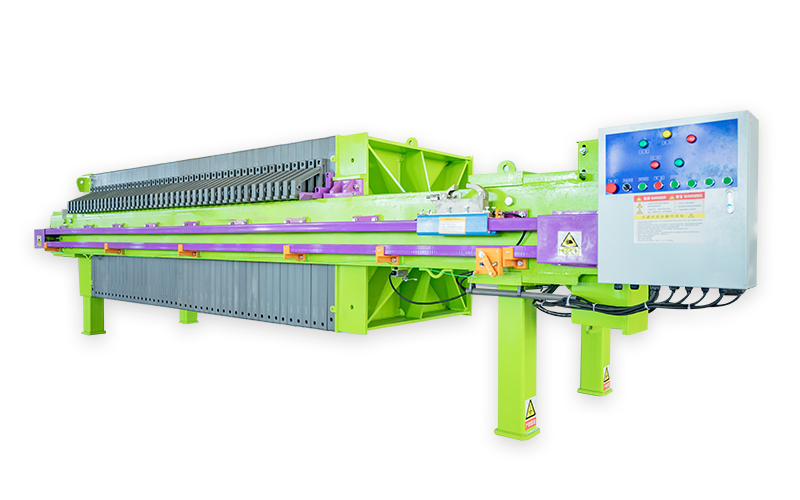
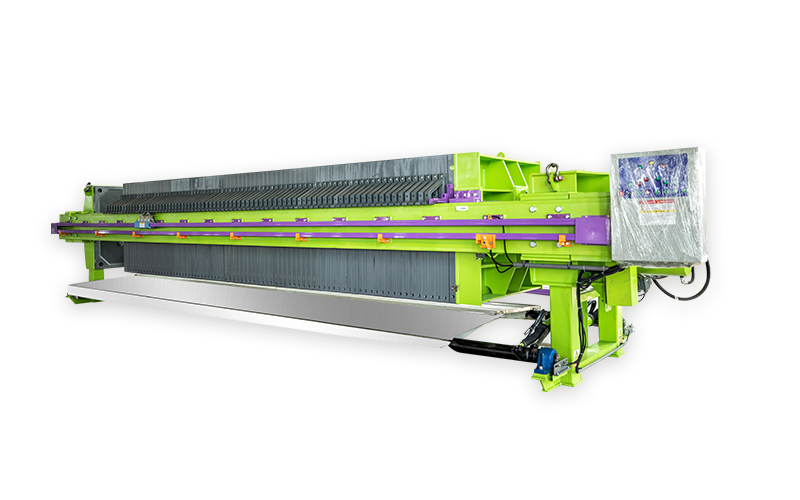
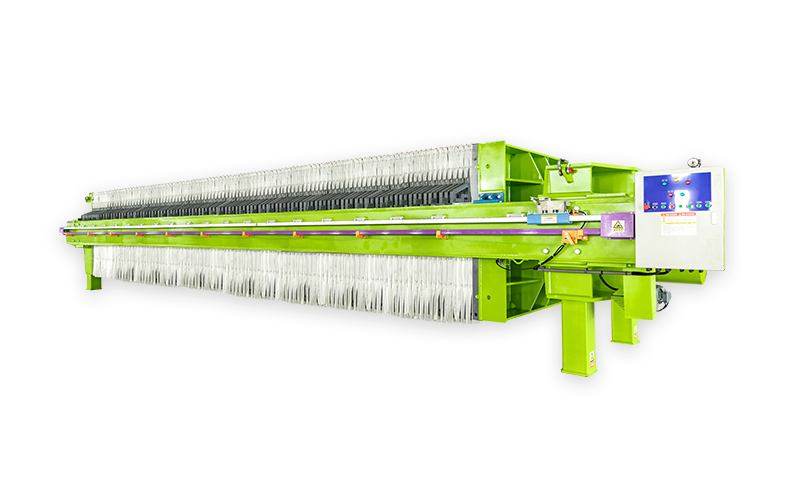
The 800 Chamber Filter Press is a specialized type of filter press designed to maximize the separation of solids from liquids in wastewater treatment applications. With a chamber capacity of 800 cubic centimeters, this filter press is engineered for high performance and durability. It operates by applying pressure to the sludge, forcing the liquid through filter cloths, while retaining the solids within the chambers.
3.1 Key Components of the 800 Chamber Filter Press
Understanding the components of the 800 Chamber Filter Press is crucial for maximizing its efficiency. Key components include:
- **Filter Plates**: Made of durable materials, these plates form the chambers where solids are trapped.
- **Filter Cloths**: These fine mesh materials cover the filter plates, enabling excellent filtration while allowing liquids to pass through.
- **Hydraulic System**: This system applies the necessary pressure to compact the sludge and facilitate the separation process.
- **Cake Discharge System**: After filtration, this system aids in the removal of solid cakes, ensuring minimal downtime and efficient operation.
4. Advantages of the 800 Chamber Filter Press
The use of the 800 Chamber Filter Press offers numerous advantages that enhance wastewater treatment processes.
4.1 High Efficiency in Solid-Liquid Separation
The design of the 800 Chamber Filter Press allows for superior solid-liquid separation. This efficiency results in cleaner effluent discharge and reduced environmental impact.
4.2 Reduced Operational Costs
By maximizing the separation process, the 800 Chamber Filter Press lowers overall operational costs. Fewer chemicals are required for flocculation, and the reduced volume of sludge leads to lower disposal costs.
4.3 Compact Design and Space-Saving
The compact design of the 800 Chamber Filter Press enables its installation in limited spaces, making it suitable for facilities with space constraints.
4.4 Versatility
This filter press can handle various types of sludge, from municipal wastewater to industrial effluents, making it an invaluable asset across different sectors.
5. Enhancing Operational Efficiency with the 800 Chamber Filter Press
To maximize the efficiency of the 800 Chamber Filter Press, plant operators should focus on several operational strategies.
5.1 Continuous Monitoring and Maintenance
Regular maintenance checks are essential to ensure the filter press operates at peak efficiency. Monitoring hydraulic pressure, filter cloth condition, and plate integrity can prevent unexpected breakdowns.
5.2 Optimizing Sludge Conditioning
Proper sludge conditioning enhances the filtration process. Operators should experiment with different chemical additives to find the optimal balance for their specific sludge type.
5.3 Training Personnel
Investing in training for personnel operating the filter press ensures that they are well-equipped to handle challenges and maintain operational efficiency.
6. Best Practices for Operating an 800 Chamber Filter Press
Implementing best practices can significantly enhance the performance of the 800 Chamber Filter Press.
6.1 Regular Cleaning of Filter Cloths
Cleaning the filter cloths regularly prevents clogging and ensures optimal filtration rates. A maintenance schedule should be established to facilitate this process.
6.2 Adjusting Pressure Settings
Operators should adjust pressure settings based on the sludge characteristics to optimize the separation process.
6.3 Implementing a Preventative Maintenance Program
A structured preventative maintenance program helps identify potential issues before they escalate, ensuring consistent operation.
7. Common Challenges and Troubleshooting
While the 800 Chamber Filter Press is highly effective, it may encounter challenges that require troubleshooting.
7.1 Clogging of Filter Cloths
Clogging can occur due to excessive solids or improper conditioning. Regular cleaning and adjusting sludge conditioning can mitigate this issue.
7.2 Insufficient Cake Dryness
If the solid cake is not adequately dried, it may indicate improper pressure settings or inadequate filter cloth condition. Adjusting operational parameters can improve dryness.
8. Future Trends in Wastewater Treatment and Filter Press Technology
As wastewater treatment technology evolves, several trends are emerging that will impact the future of the 800 Chamber Filter Press.
8.1 Automation and Smart Systems
The integration of smart technology in filter presses will allow for real-time monitoring and adjustments, increasing efficiency and reducing human error.
8.2 Sustainable Practices
With growing environmental concerns, there is a push towards more sustainable practices in wastewater management. The 800 Chamber Filter Press aligns with this trend by reducing waste and energy consumption.
8.3 Innovations in Materials
Advancements in materials used for filter plates and cloths will improve durability and filtration efficiency, further enhancing the capabilities of the 800 Chamber Filter Press.
9. Frequently Asked Questions
9.1 What is the typical lifespan of an 800 Chamber Filter Press?
The lifespan can vary, but with proper maintenance, an 800 Chamber Filter Press can last over 10 years.
9.2 How often should the filter cloths be replaced?
Filter cloths should be inspected regularly, with replacements typically occurring every 1-3 years, depending on usage and maintenance.
9.3 Can the 800 Chamber Filter Press handle varying sludge types?
Yes, the 800 Chamber Filter Press is versatile and can effectively handle different sludge types from various sources.
9.4 What are the energy consumption levels of the 800 Chamber Filter Press?
Energy consumption varies based on operational conditions, but advancements in technology are reducing energy requirements significantly.
9.5 Is training necessary for operating the 800 Chamber Filter Press?
Yes, training personnel is crucial for ensuring safe and effective operation, leading to improved efficiency and reduced downtime.
10. Conclusion
In conclusion, the 800 Chamber Filter Press plays a vital role in maximizing efficiency within wastewater treatment plants. With its high-performance capabilities, operational advantages, and adaptability to various sludge types, it stands as a crucial technology in the fight for cleaner, sustainable water management. By embracing best practices and staying abreast of industry trends, wastewater facilities can harness the full potential of the 800 Chamber Filter Press, ensuring compliance with environmental regulations while achieving operational excellence.
Previous:
We sincerely look forward to cooperating with you!
Customized Filtration System Overall Solution
Contact Us
Contact Information
Nan Development Zone, Jingxian County, Hengshui City, Hebei Province
Online Consultation
If you are interested in our products, please leave your email address, and we will contact you as soon as possible. Thank you!