

Understanding the Advantages of a 1250mm Filter Press for Efficient Wastewater Treatment
Jun 06,2026


Understanding the Advantages of a 1250mm Filter Press for Efficient Wastewater Treatment
Table of Contents
1. Introduction to Filter Press Technology
2. What is a 1250mm Filter Press?
3. Key Benefits of Using a 1250mm Filter Press
3.1 Enhanced Efficiency in Solid-Liquid Separation
3.2 Cost-Effectiveness of Operation
3.3 Improved Environment
Understanding the Advantages of a 1250mm Filter Press for Efficient Wastewater Treatment
Table of Contents
- 1. Introduction to Filter Press Technology
- 2. What is a 1250mm Filter Press?
- 3. Key Benefits of Using a 1250mm Filter Press
- 3.1 Enhanced Efficiency in Solid-Liquid Separation
- 3.2 Cost-Effectiveness of Operation
- 3.3 Improved Environmental Compliance
- 4. Technical Specifications of the 1250mm Filter Press
- 5. Applicability in Various Industries
- 6. Installation and Maintenance of the 1250mm Filter Press
- 7. Future Trends in Filter Press Technology
- 8. Frequently Asked Questions
- 9. Conclusion
1. Introduction to Filter Press Technology
In the realm of **wastewater treatment**, **filter presses** represent a vital component in ensuring the efficient management of waste materials. These devices are engineered to separate solids from liquids, providing a means to recycle valuable materials and minimize environmental impact. In particular, the **1250mm filter press** has gained recognition for its effectiveness and adaptability across various industries.
2. What is a 1250mm Filter Press?
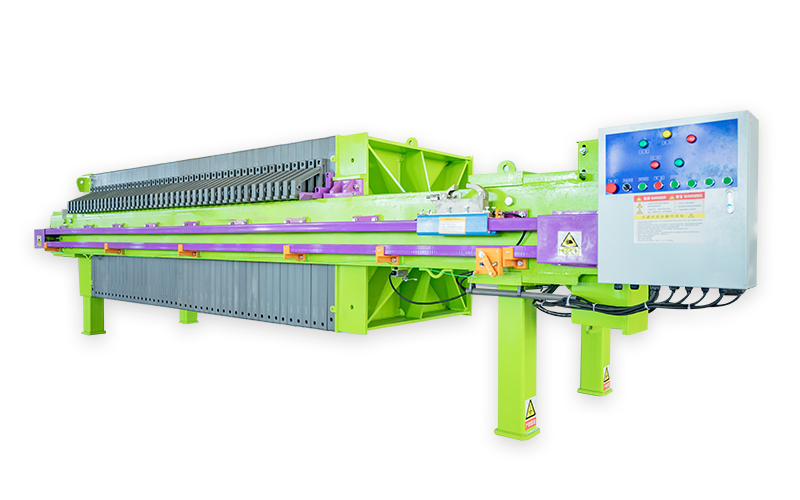
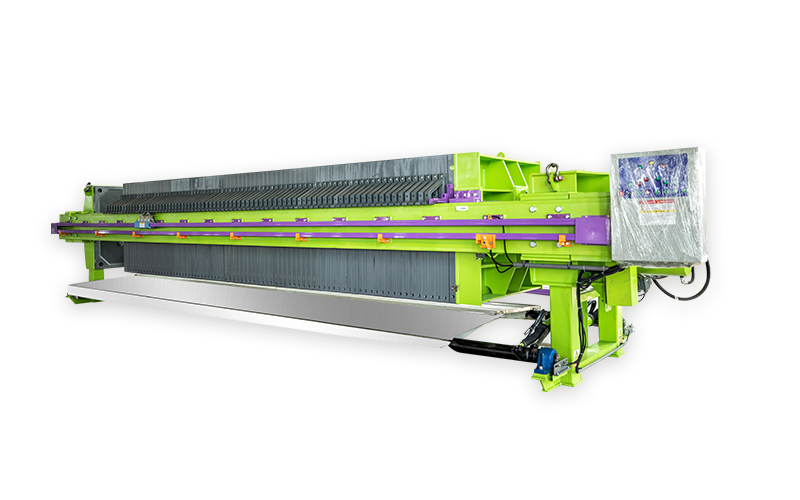
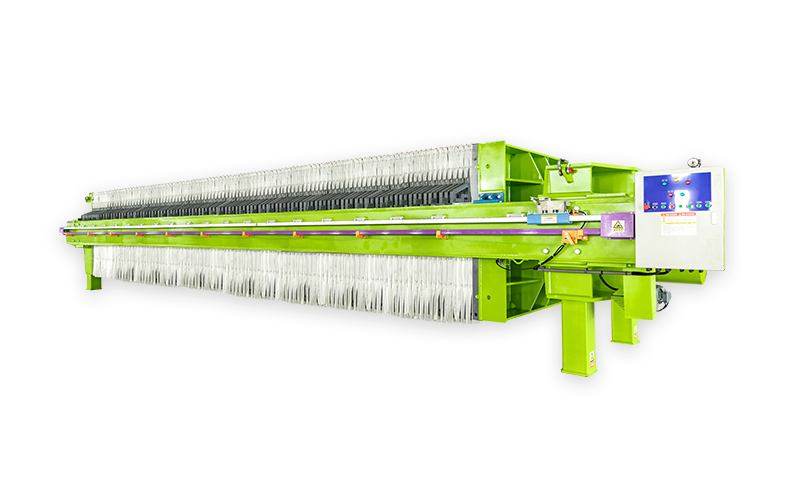
A **1250mm filter press** is a type of mechanical device designed for dewatering sludge, which is a common byproduct of wastewater treatment processes. It consists of a series of plates with a filter medium that captures solid particles while allowing liquids to pass through. The **1250mm** designation refers to the size of the filter plates, which play a crucial role in determining the volume and efficiency of the filtration process.
3. Key Benefits of Using a 1250mm Filter Press
Utilizing a **1250mm filter press** offers numerous advantages that make it an ideal choice for industries seeking effective wastewater treatment solutions.
3.1 Enhanced Efficiency in Solid-Liquid Separation
The primary benefit of a **1250mm filter press** is its ability to achieve **high levels of solid-liquid separation**. The design allows for rapid filtration cycles, enabling operators to process large volumes of wastewater in shorter timeframes. This efficiency translates to reduced operational costs and improved throughput, making it a preferred option for many wastewater treatment facilities.
3.2 Cost-Effectiveness of Operation
Investing in a **1250mm filter press** can lead to significant cost savings over time. The reduced need for chemical additives, combined with lower energy consumption during operation, makes it a financially viable solution for both small and large-scale operations. Additionally, the efficient recovery of solid materials can contribute to further cost savings by allowing for the reuse of resources.
3.3 Improved Environmental Compliance
As industries face increasing regulations regarding waste management, utilizing a **1250mm filter press** can help ensure compliance with environmental standards. The effective removal of solids and contaminants from wastewater not only aligns with legal requirements but also enhances corporate social responsibility by minimizing environmental impact.
4. Technical Specifications of the 1250mm Filter Press
Understanding the technical specifications of a **1250mm filter press** is crucial for operators looking to maximize its performance. Key specifications include:
- **Plate Dimensions:** 1250mm x 1250mm
- **Filtration Area:** Varies based on the number of plates used, typically ranging from 30 to 120 plates.
- **Maximum Working Pressure:** Can withstand pressures up to 16 bar.
- **Material Construction:** Usually made of robust materials such as stainless steel or coated steel to enhance durability and corrosion resistance.
- **Automation Features:** Many models come equipped with automated controls for easier operation and monitoring.
5. Applicability in Various Industries
The versatility of the **1250mm filter press** allows it to be applicable across a range of industries, each benefitting from its unique characteristics.
5.1 Role in the Mining Industry
In the mining sector, the **1250mm filter press** is essential for the treatment of tailings and wastewater generated from mining operations. By effectively separating solids from liquids, it assists in the recovery of valuable minerals and helps mitigate environmental risks associated with mining activities.
5.2 Applications in the Food Industry
The food industry also relies on the capabilities of the **1250mm filter press** for processing wastewater generated during food production. Its ability to efficiently remove solids ensures compliance with health regulations and enhances the sustainability of food processing operations.
6. Installation and Maintenance of the 1250mm Filter Press
Proper installation and maintenance of a **1250mm filter press** are vital for ensuring optimal performance. The installation process typically involves:
- **Site Preparation:** Ensuring adequate space and infrastructure for the filter press.
- **Training:** Providing operators with training on equipment usage and safety protocols.
- **Routine Maintenance:** Regular inspections, cleaning, and replacement of worn parts to maintain efficiency.
7. Future Trends in Filter Press Technology
The future of **filter press technology** is poised for innovation, with trends focusing on automation, smart monitoring, and enhanced materials. These advancements are likely to improve operational efficiency while reducing the environmental impact of wastewater treatment.
8. Frequently Asked Questions
1. How does a 1250mm filter press work?
A 1250mm filter press operates by forcing wastewater through a series of filter plates, separating solids from liquids. The solids remain trapped between the plates, while the liquids are drained away.
2. What types of industries use filter presses?
Filter presses are commonly used in industries such as mining, food and beverage, pharmaceuticals, and wastewater treatment facilities.
3. What maintenance is required for a 1250mm filter press?
Regular maintenance includes inspecting seals, cleaning filter cloths, and checking for wear on mechanical components to ensure optimal performance.
4. Can a filter press be automated?
Yes, many modern filter presses come with automation features that allow for remote monitoring and control, enhancing operational efficiency.
5. What are the environmental benefits of using a filter press?
Using a filter press helps reduce waste volume, improve resource recovery, and ensure compliance with environmental regulations, contributing to sustainable practices.
9. Conclusion
The **1250mm filter press** stands out as a vital tool in the landscape of wastewater treatment, offering numerous benefits ranging from enhanced efficiency to cost-effectiveness. As industries continue to seek sustainable practices and compliance with environmental regulations, the **1250mm filter press** will play an increasingly important role in achieving these goals. Investing in this technology not only promotes operational efficiency but also aligns with the broader commitment to environmental stewardship, making it a strategic choice for forward-thinking companies.
We sincerely look forward to cooperating with you!
Customized Filtration System Overall Solution
Contact Us
Contact Information
Nan Development Zone, Jingxian County, Hengshui City, Hebei Province
Online Consultation
If you are interested in our products, please leave your email address, and we will contact you as soon as possible. Thank you!