

How a 1250mm Filter Press Can Transform Your Filtration Process
May 27,2026


How a 1250mm Filter Press Can Transform Your Filtration Process
Table of Contents
Introduction to Filter Press Technology
What is a 1250mm Filter Press?
Benefits of Using a 1250mm Filter Press
How a 1250mm Filter Press Works
Applications of the 1250mm Filter Press in Various Industries
Choosing the Right Filter Press for Your Needs
Maintenance and Care for Optimal
How a 1250mm Filter Press Can Transform Your Filtration Process
Table of Contents
- Introduction to Filter Press Technology
- What is a 1250mm Filter Press?
- Benefits of Using a 1250mm Filter Press
- How a 1250mm Filter Press Works
- Applications of the 1250mm Filter Press in Various Industries
- Choosing the Right Filter Press for Your Needs
- Maintenance and Care for Optimal Performance
- Frequently Asked Questions
- Conclusion
Introduction to Filter Press Technology
In the world of industrial filtration, the **1250mm filter press** stands out as a highly efficient solution for separating solids from liquids. Whether in mining, wastewater treatment, or food processing, the need for reliable filtration methods is paramount. This article will explore how a 1250mm filter press can significantly enhance your filtration process, leading to improved productivity and reduced operational costs.
What is a 1250mm Filter Press?
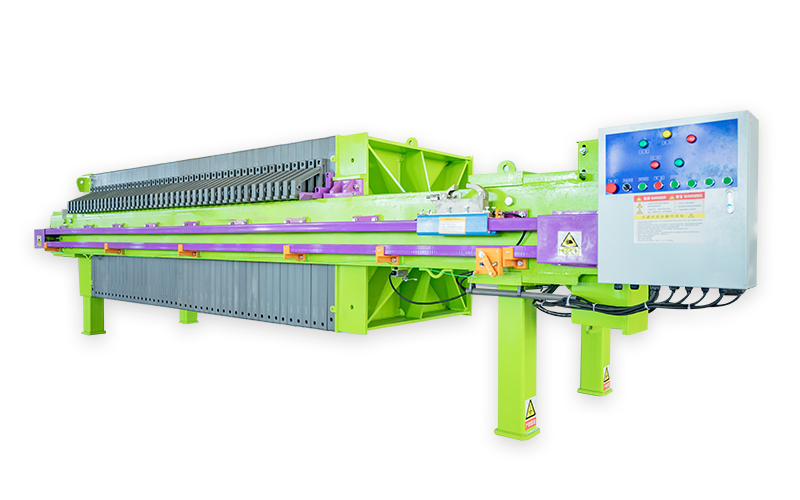
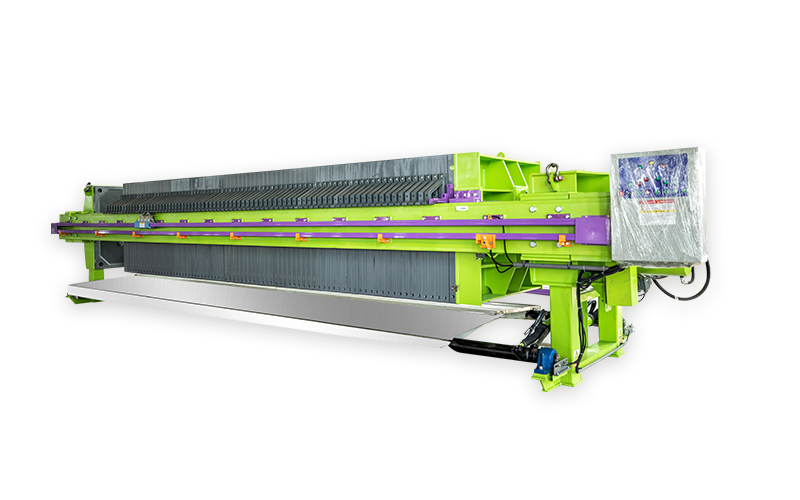
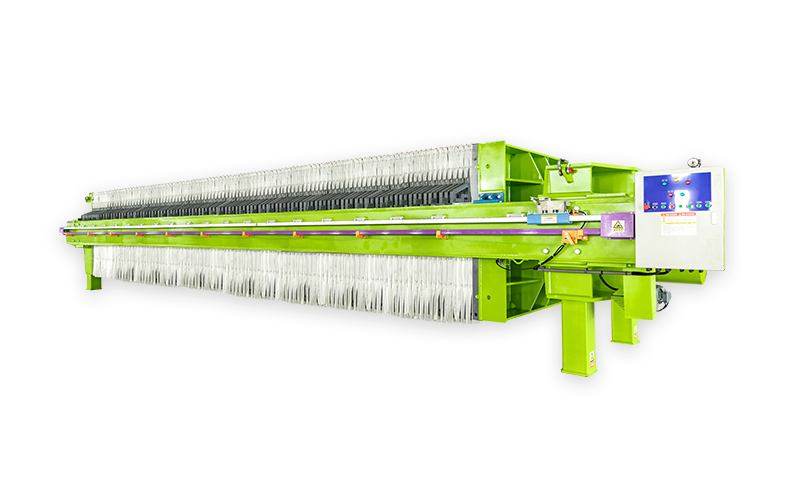
A **1250mm filter press** is a type of mechanical device used in various industries to separate solid particles from liquids. It operates by using pressure to force the liquid through filter media, leaving solids behind. The 1250mm designation refers to the width of the filter plates, allowing for a larger surface area to handle higher volumes of slurry. This equipment is commonly utilized in processes such as sludge dewatering, mineral processing, and chemical production.
Key Features of a 1250mm Filter Press
1. **Large Filtration Area**: The 1250mm width provides an extensive filtration area, enabling efficient solid-liquid separation.
2. **Robust Construction**: Built with durable materials, these filter presses are designed to withstand harsh industrial conditions.
3. **Versatile Operation**: Suitable for a wide range of applications, making it an ideal choice for various industries.
4. **Automation Capabilities**: Many models come equipped with automation features, allowing for remote monitoring and control.
Benefits of Using a 1250mm Filter Press
Integrating a **1250mm filter press** into your filtration process offers numerous advantages:
Enhanced Efficiency
The larger plate size means significant increases in filtration efficiency. This results in shorter cycle times, allowing for more throughput and increased productivity.
Cost Savings
By effectively separating solids, a filter press minimizes waste, leading to lower disposal costs. Additionally, reduced water consumption and energy savings contribute to overall operational cost reductions.
Improved Product Quality
The high degree of separation ensures that the resulting liquid is cleaner and more refined, which is especially crucial in industries such as food and beverage processing.
Environmental Benefits
Using a filter press aids in reducing environmental footprint by minimizing waste and optimizing resource usage, aligning with corporate sustainability goals.
How a 1250mm Filter Press Works
Understanding the operation of a **1250mm filter press** involves several key steps:
Slurry Preparation
The process begins with the preparation of the slurry, which is a mixture of solids and liquids. This slurry is fed into the filter press.
Filtration Cycle
1. **Filling**: The slurry enters the filter chamber through an inlet port. The pressure pushes the liquid through the filter media, leaving solids trapped inside the chambers.
2. **Filtration**: As the liquid passes through, it is filtered, and the solids accumulate on the filter cloth or membrane.
3. **Cake Formation**: Over time, a solid cake forms, which can significantly increase the efficiency of the filtration process.
Washing and Drying**
Once the filtration process is complete, many systems can incorporate washing cycles to further enhance solid removal from the filter cake. This step ensures maximum dryness and quality of the resultant filtered solids.
Applications of the 1250mm Filter Press in Various Industries
The versatility of a **1250mm filter press** makes it suitable for multiple applications across industries:
Mining and Mineral Processing
In the mining sector, filter presses are vital for dewatering slurries, ensuring that valuable minerals are efficiently extracted while minimizing water usage.
Wastewater Treatment
Municipal and industrial wastewater treatment facilities employ filter presses to reduce sludge volume and enhance solid-liquid separation, leading to cleaner effluents.
Food and Beverage Industry
In this industry, filter presses are employed for juice clarification, beer filtration, and other processes where purity and clarity are essential.
Chemical Manufacturing
Chemical plants utilize filter presses to separate catalysts and other solid materials from liquids, ensuring product consistency and quality.
Choosing the Right Filter Press for Your Needs
Selecting the appropriate filter press can significantly impact the efficiency of your filtration process. Here are key considerations:
Capacity and Size
Evaluate the volume of slurry you expect to process. The **1250mm filter press** offers a balance between capacity and space efficiency.
Material Compatibility
Ensure that the materials used in the filter press construction are compatible with the chemicals and slurries you will be processing.
Automation Features
Consider whether automation features align with your operational goals, allowing for increased efficiency and ease of use.
Maintenance and Support
Opt for manufacturers that offer excellent customer support and maintenance services, ensuring longevity and reliability of the equipment.
Maintenance and Care for Optimal Performance
Regular maintenance is crucial for the longevity and efficient operation of a **1250mm filter press**:
Routine Inspections
Conduct routine inspections to identify any signs of wear or damage. Check seals, gaskets, and filter media for optimal performance.
Cleaning Protocols
Implement cleaning protocols to prevent clogging and ensure effective filtration. This includes rinsing the filter media and checking for residual solids.
System Calibration
Regularly calibrate the system to maintain efficiency. Ensure that pressure levels are monitored and adjusted as needed.
Frequently Asked Questions
1. What types of industries commonly use a 1250mm filter press?
The 1250mm filter press is widely used in industries such as mining, wastewater treatment, food and beverage processing, and chemical manufacturing.
2. How often should a filter press be maintained?
Routine maintenance should be performed at least quarterly, with more frequent inspections recommended depending on usage and operational conditions.
3. Can a 1250mm filter press handle varying slurry types?
Yes, the 1250mm filter press is versatile and can be adjusted for different slurry types, provided the materials are compatible with its construction.
4. What is the expected lifespan of a filter press?
With proper maintenance, a filter press can last up to 10-15 years, depending on the usage and environmental conditions.
5. Are automation features essential for a filter press?
While not essential, automation features can significantly enhance operational efficiency, reduce labor costs, and improve overall process control.
Conclusion
Incorporating a **1250mm filter press** into your filtration process can greatly enhance operational efficiency, reduce costs, and improve product quality across various industries. Understanding its features, benefits, and applications allows businesses to make informed decisions about their filtration needs. By prioritizing maintenance and choosing the right equipment, companies can ensure long-lasting performance and reliability. Embracing this technology not only leads to immediate gains but also contributes to sustainable practices within the industry.
We sincerely look forward to cooperating with you!
Customized Filtration System Overall Solution
Contact Us
Contact Information
Nan Development Zone, Jingxian County, Hengshui City, Hebei Province
Online Consultation
If you are interested in our products, please leave your email address, and we will contact you as soon as possible. Thank you!