

Exploring the Benefits of Upgrading to a 2000mm Filter Press: A Comprehensive Guide
May 23,2026


Exploring the Benefits of Upgrading to a 2000mm Filter Press
Table of Contents
1. Introduction to Filter Press Technology
2. What is a Filter Press?
3. Benefits of Upgrading to a 2000mm Filter Press
3.1 Increased Capacity and Efficiency
3.2 Enhanced Filtration Performance
3.3 Cost-Effectiveness Over Time
3.4 Improved Product Qua
Exploring the Benefits of Upgrading to a 2000mm Filter Press
Table of Contents
- 1. Introduction to Filter Press Technology
- 2. What is a Filter Press?
- 3. Benefits of Upgrading to a 2000mm Filter Press
- 3.1 Increased Capacity and Efficiency
- 3.2 Enhanced Filtration Performance
- 3.3 Cost-Effectiveness Over Time
- 3.4 Improved Product Quality and Purity
- 3.5 Reduced Labor Requirements
- 4. Choosing the Right 2000mm Filter Press for Your Needs
- 5. Maintenance and Support for Your Filter Press
- 6. Case Studies: Successful Upgrades to 2000mm Filter Presses
- 7. Frequently Asked Questions (FAQs)
- 8. Conclusion
1. Introduction to Filter Press Technology
In the realm of industrial equipment, **filter presses** play a critical role in separating liquids from solids, making them indispensable in various sectors including mining, food and beverage, and wastewater treatment. Upgrading to a **2000mm filter press** specifically offers a plethora of advantages that can significantly enhance productivity and operational efficiency. This article will explore these benefits in detail, providing a clear understanding of why this upgrade is an investment worth considering.
2. What is a Filter Press?
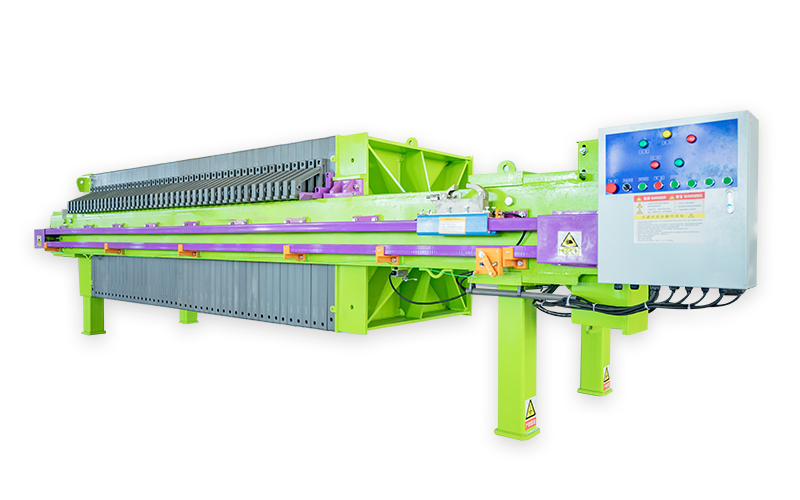
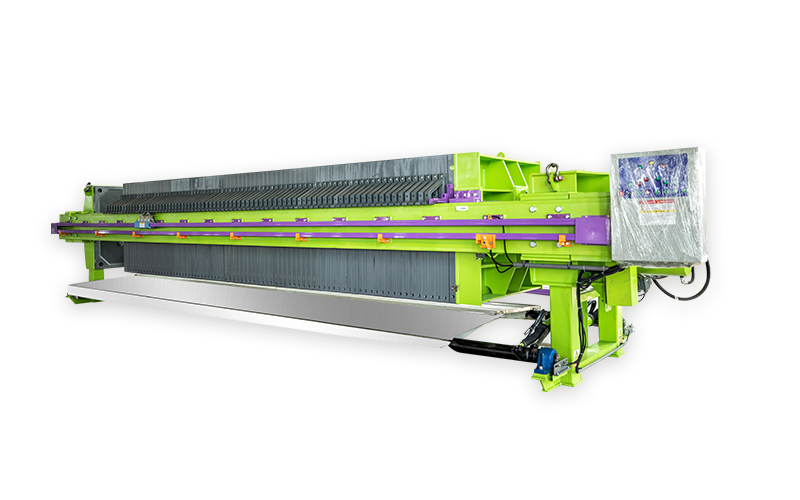
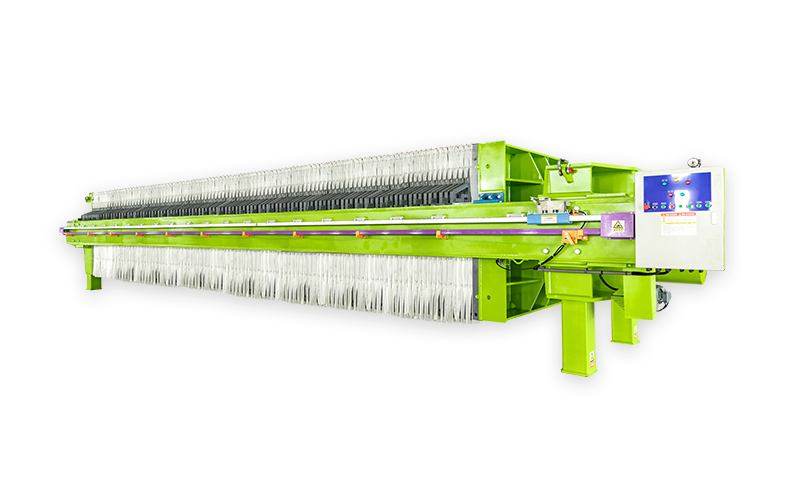
A filter press is a type of dewatering device that uses pressure to separate solids from liquids. It consists of a series of plates and frames that are stacked together. When slurry is introduced into the press, the plates are pressed together, and the liquid is forced out through filter cloths, leaving the solid material behind as a cake. This process is vital for industries that require the removal of water from slurries or sludge to produce a solid residue.
3. Benefits of Upgrading to a 2000mm Filter Press
Upgrading to a 2000mm filter press can yield significant benefits for operations. Below, we delve into the key advantages that come with such an investment.
3.1 Increased Capacity and Efficiency
One of the most notable advantages of a 2000mm filter press is its **increased capacity**. Compared to smaller models, a 2000mm filter press can process a larger volume of slurry in a single cycle. This not only enhances throughput but also reduces the number of cycles required, leading to improved overall efficiency. As a result, businesses can achieve higher production rates without needing to invest in multiple smaller units.
3.2 Enhanced Filtration Performance
The filtration performance of a 2000mm filter press is significantly superior to smaller models. With advanced design features, such as improved filter cloths and optimized plate configurations, these presses can produce a drier cake with minimal residual moisture. This enhanced performance is particularly advantageous for industries that require high purity levels in their final product.
3.3 Cost-Effectiveness Over Time
While the initial investment in a 2000mm filter press may be higher, the long-term cost-effectiveness cannot be overlooked. The increased efficiency and reduced operational costs—in terms of energy consumption, labor, and maintenance—make it a financially sound decision. Additionally, the durability and reliability of modern filter presses often result in lower replacement and repair costs over their lifespan.
3.4 Improved Product Quality and Purity
For businesses where product quality is paramount, a 2000mm filter press is ideal. By providing better filtration capabilities, it helps to eliminate impurities and achieve higher quality standards. This is particularly crucial in industries such as pharmaceuticals and food processing, where compliance with strict regulations is necessary.
3.5 Reduced Labor Requirements
Automating the filtration process with a 2000mm filter press can significantly reduce labor requirements. With features such as automated cake discharge and programmable controls, operators can focus on other critical areas of production, thus enhancing overall productivity. This reduction in manual labor also minimizes the risk of workplace injuries, contributing to a safer working environment.
4. Choosing the Right 2000mm Filter Press for Your Needs
When considering an upgrade, it is essential to choose the right 2000mm filter press tailored to your specific needs. Factors to consider include:
- **Application Requirements**: Different industries have varying filtration needs. Identifying the type of slurry you will process is crucial.
- **Material Compatibility**: Ensure that the filter press is made of materials that can withstand the chemical properties of the slurry.
- **Design Features**: Look for features such as automated control systems, safety mechanisms, and the ability to customize the filter media.
- **Supplier Reputation**: Selecting a reputable supplier ensures that you receive a quality product backed by solid customer support.
5. Maintenance and Support for Your Filter Press
Maintenance is key to maximizing the lifespan and performance of your filter press. Regular checks and servicing can prevent potential issues, ensuring smooth operation. Consider the following maintenance tips:
- **Routine Cleaning**: Regularly clean the filter plates and cloths to prevent blockages and maintain filtration efficiency.
- **Inspection**: Conduct routine inspections to identify wear and tear on components, replacing them as necessary.
- **Technical Support**: Work with suppliers who offer robust technical support and maintenance services to address issues promptly.
6. Case Studies: Successful Upgrades to 2000mm Filter Presses
Several industries have successfully upgraded to 2000mm filter presses, yielding remarkable results. For instance, a mining company reported a **30% increase in efficiency** after upgrading from a smaller filter press. They also noted a decrease in water usage and improvements in the quality of their extracted materials. Another case in the food processing industry highlighted reduced labor costs and enhanced product quality, proving that the benefits of upgrading extend across various sectors.
7. Frequently Asked Questions (FAQs)
1. What type of industries benefit most from a 2000mm filter press?
Industries such as mining, wastewater treatment, food and beverage, and pharmaceuticals frequently benefit from the enhanced efficiency and filtration capabilities of 2000mm filter presses.
2. How does a 2000mm filter press compare with smaller models?
A 2000mm filter press has a larger capacity, improved filtration performance, and greater cost-effectiveness over time compared to smaller models.
3. What maintenance is required for a filter press?
Regular cleaning, inspections, and timely replacement of worn parts are essential for maintaining optimal performance.
4. Can a filter press handle different types of slurries?
Yes, a 2000mm filter press can handle various types of slurries, but it is important to select a model designed for the specific chemical and physical properties of the material.
5. What is the typical lifespan of a 2000mm filter press?
With proper maintenance, a 2000mm filter press can have a lifespan of 10-15 years, depending on usage and environmental conditions.
8. Conclusion
Upgrading to a **2000mm filter press** represents a significant opportunity for businesses seeking to enhance their filtration processes. The benefits of increased capacity, enhanced performance, cost-effectiveness, improved product quality, and reduced labor requirements make it an investment worth considering. By choosing the right model and implementing effective maintenance strategies, companies can harness the full potential of this advanced technology, driving productivity and operational excellence. Investing in a 2000mm filter press is not just an upgrade; it is a strategic move towards achieving sustainable growth in a competitive industrial landscape.
We sincerely look forward to cooperating with you!
Customized Filtration System Overall Solution
Contact Us
Contact Information
Nan Development Zone, Jingxian County, Hengshui City, Hebei Province
Online Consultation
If you are interested in our products, please leave your email address, and we will contact you as soon as possible. Thank you!