

Maximizing Efficiency with a 1500 Filter Press for Sludge Dewatering
May 12,2026


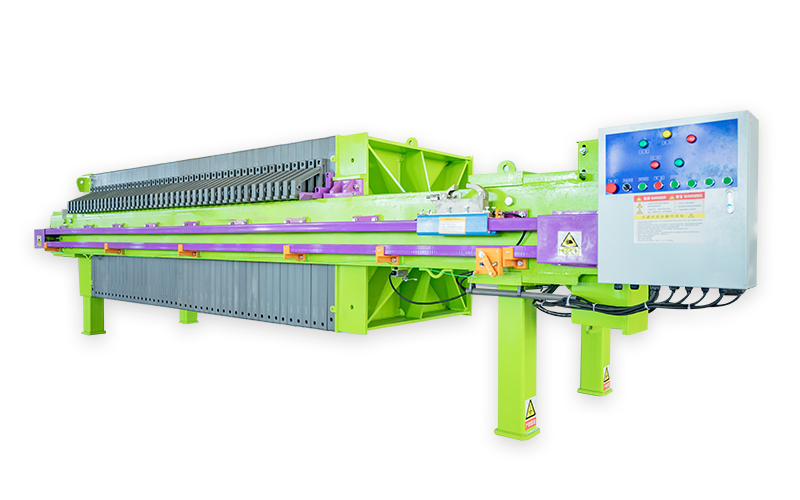
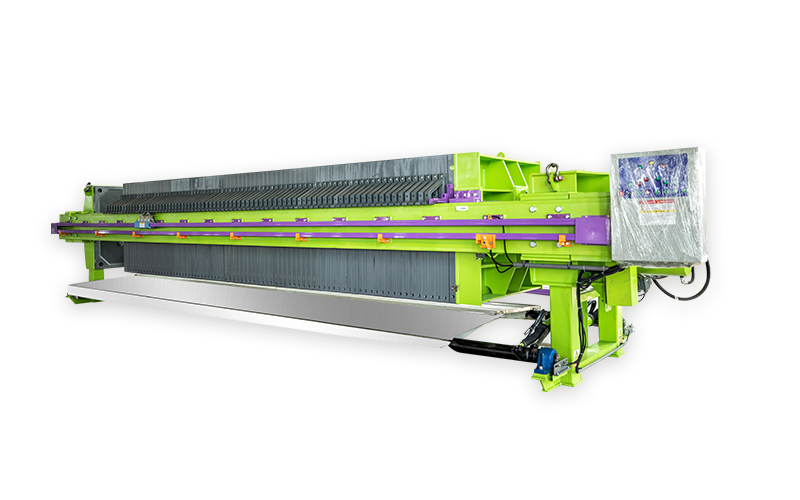
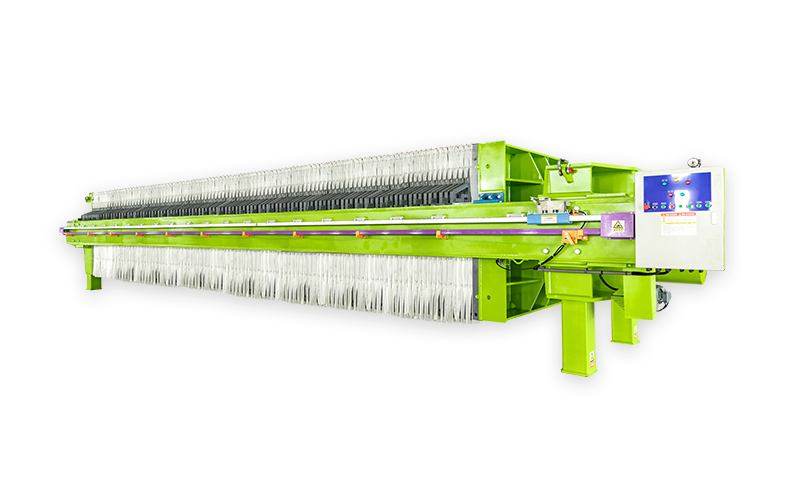
When it comes to industrial sludge dewatering, the choice of equipment plays a crucial role in ensuring efficiency and cost-effectiveness. The 1500 filter press stands out as a reliable option that can significantly streamline operations. Designed for high-volume sludge treatment, this filter press is ideal for various industries, including wastewater treatment plants, mining, and food processing.
When it comes to industrial sludge dewatering, the choice of equipment plays a crucial role in ensuring efficiency and cost-effectiveness. The 1500 filter press stands out as a reliable option that can significantly streamline operations. Designed for high-volume sludge treatment, this filter press is ideal for various industries, including wastewater treatment plants, mining, and food processing.
One of the primary advantages of the 1500 filter press is its ability to achieve higher solids content, resulting in reduced disposal costs. By utilizing pressure filtration, the equipment effectively separates solids from liquids, producing a dryer cake that minimizes volume and weight. This not only lowers transportation costs but also helps in complying with environmental regulations regarding waste disposal.
In addition to cost savings, the operational efficiency of the 1500 filter press is enhanced by its automated features. Modern models are equipped with programmable logic controllers (PLCs) that facilitate real-time monitoring and adjustments during the dewatering process. This automation reduces the need for manual intervention, thereby increasing productivity and ensuring consistent results.
Another important consideration is the maintenance requirements of the 1500 filter press. Regular maintenance is essential to ensure optimal performance and longevity. Operators should be familiar with the key components, such as the hydraulic system, filter plates, and cloths, to identify potential issues before they escalate. A well-maintained filter press not only operates efficiently but also yields better results.
Moreover, when selecting a 1500 filter press, it is vital to assess the specific requirements of your sludge characteristics, such as the type of solids, viscosity, and chemical composition. This understanding will help in configuring the equipment correctly, ensuring it meets the operational needs and achieves the desired dewatering performance.
In addition to operational efficiency, it’s essential to consider the environmental impact of sludge dewatering processes. The 1500 filter press contributes to sustainability by reducing the volume of waste sent to landfills and promoting the reuse of treated materials. Industries can leverage this equipment to enhance their green initiatives while maintaining compliance with environmental standards.
In conclusion, the 1500 filter press for sludge dewatering offers a robust solution that enhances efficiency, reduces costs, and supports sustainability efforts. By understanding its features and operational requirements, professionals can make informed decisions that positively impact their sludge management processes. Implementing this technology can lead to significant improvements in both productivity and environmental responsibility.
One of the primary advantages of the 1500 filter press is its ability to achieve higher solids content, resulting in reduced disposal costs. By utilizing pressure filtration, the equipment effectively separates solids from liquids, producing a dryer cake that minimizes volume and weight. This not only lowers transportation costs but also helps in complying with environmental regulations regarding waste disposal.
In addition to cost savings, the operational efficiency of the 1500 filter press is enhanced by its automated features. Modern models are equipped with programmable logic controllers (PLCs) that facilitate real-time monitoring and adjustments during the dewatering process. This automation reduces the need for manual intervention, thereby increasing productivity and ensuring consistent results.
Another important consideration is the maintenance requirements of the 1500 filter press. Regular maintenance is essential to ensure optimal performance and longevity. Operators should be familiar with the key components, such as the hydraulic system, filter plates, and cloths, to identify potential issues before they escalate. A well-maintained filter press not only operates efficiently but also yields better results.
Moreover, when selecting a 1500 filter press, it is vital to assess the specific requirements of your sludge characteristics, such as the type of solids, viscosity, and chemical composition. This understanding will help in configuring the equipment correctly, ensuring it meets the operational needs and achieves the desired dewatering performance.
In addition to operational efficiency, it’s essential to consider the environmental impact of sludge dewatering processes. The 1500 filter press contributes to sustainability by reducing the volume of waste sent to landfills and promoting the reuse of treated materials. Industries can leverage this equipment to enhance their green initiatives while maintaining compliance with environmental standards.
In conclusion, the 1500 filter press for sludge dewatering offers a robust solution that enhances efficiency, reduces costs, and supports sustainability efforts. By understanding its features and operational requirements, professionals can make informed decisions that positively impact their sludge management processes. Implementing this technology can lead to significant improvements in both productivity and environmental responsibility.
We sincerely look forward to cooperating with you!
Customized Filtration System Overall Solution
Contact Us
Contact Information
Nan Development Zone, Jingxian County, Hengshui City, Hebei Province
Online Consultation
If you are interested in our products, please leave your email address, and we will contact you as soon as possible. Thank you!